The César Manrique Architecture Guide: 5 Places Where Art Meets Nature
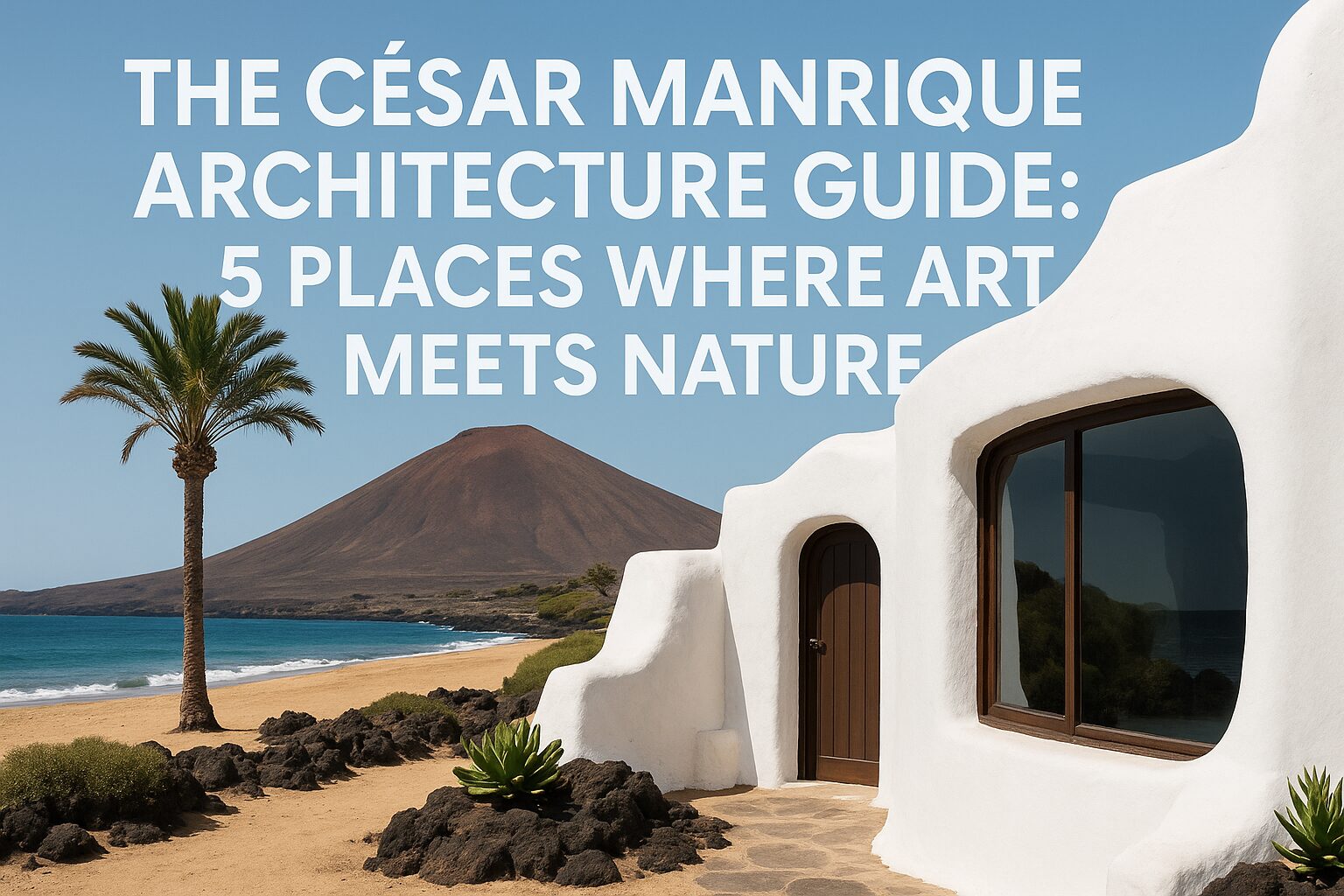
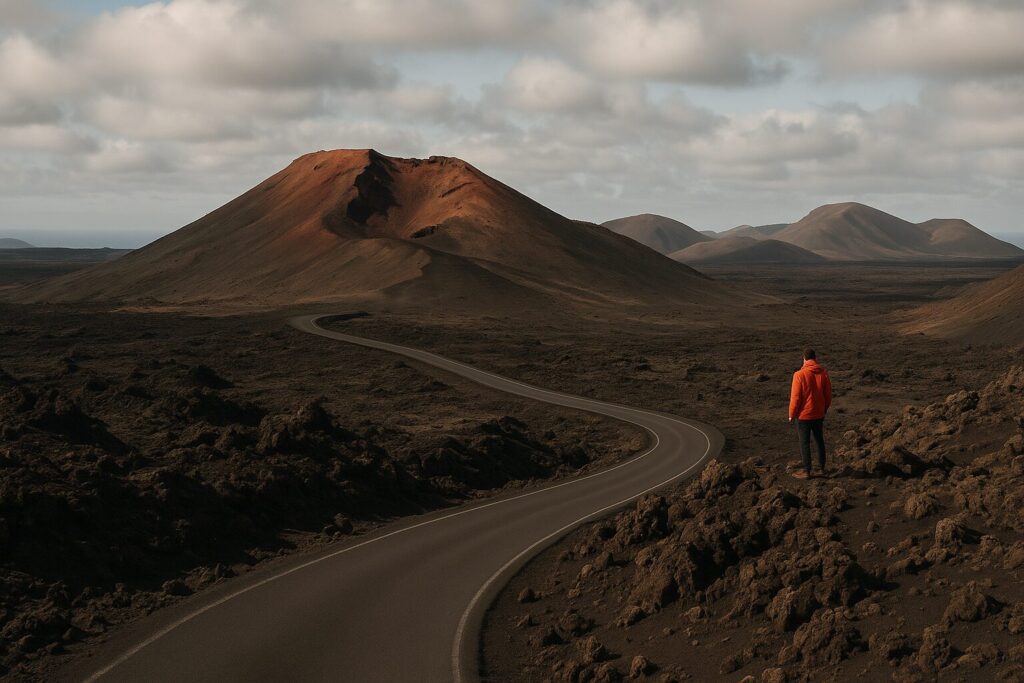
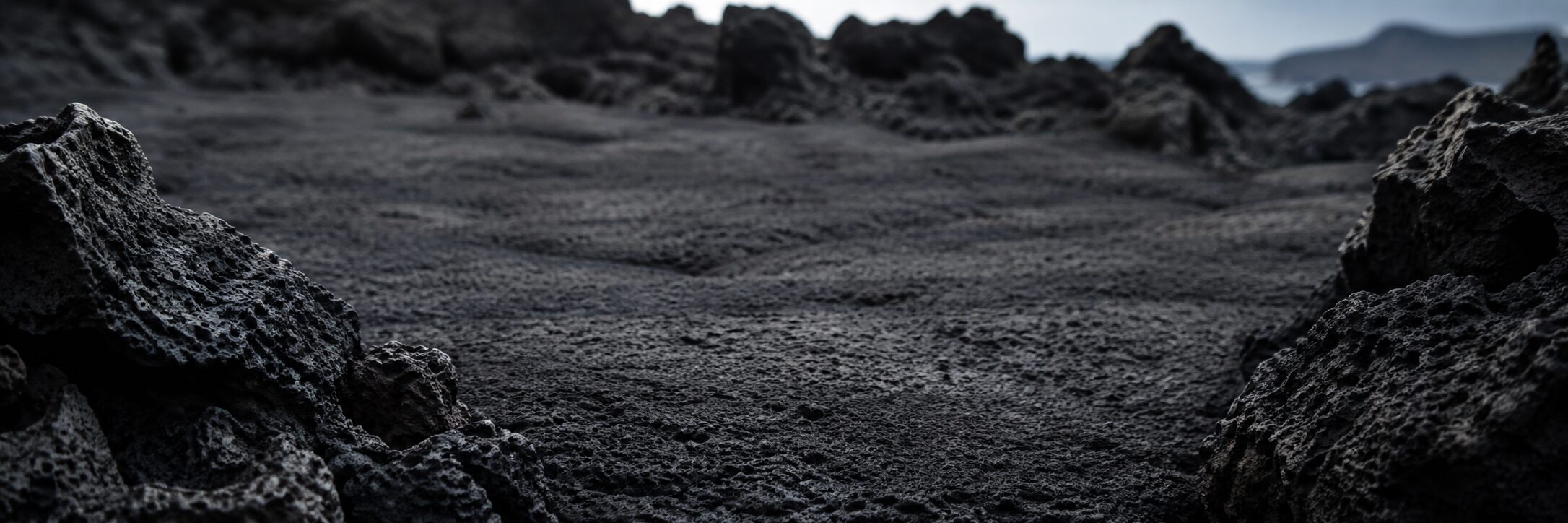
In the heart of Lanzarote, the volcanic landscape is not just scenery; it is the canvas. No one understood this fusion of geology and creativity better than César Manrique (1919-1992), the artist and architect who shaped the island’s modern identity.
Manrique’s vision ensured that Lanzarote developed without succumbing to the high-rise tourism that plagues other destinations. His style—Jameos, Cráteres, and Malpaís (the integration of caves, craters, and solidified lava fields)—is the definition of the island’s authenticity.
If Lanzawear is about celebrating the island’s elemental beauty, Manrique’s sites are the shrines to that philosophy. Here are 5 essential places where you can witness art embracing nature.
1. Jameos del Agua: The Subterranean Opera
This is arguably Manrique’s masterpiece. Located within a collapsed section of a lava tube, Manrique transformed a geological cavity into a sophisticated cultural centre.
Why it’s essential: It’s a journey through darkness to light. You move from the natural Jameo Chico (the small lake containing the famous blind white crabs) to the beautiful turquoise swimming pool (strictly for viewing, not swimming!) and finally into the stunning auditorium carved directly into the cave wall. It perfectly showcases Manrique’s ability to create dramatic, yet respectful, interventions.
2. Mirador del Río: The View from Above
Perched on the Risco de Famara cliff at 479 meters, this former military base was converted into one of the most spectacular viewing platforms in the world.
Why it’s essential: You won’t find better proof of Manrique’s architectural minimalism. The structure is practically invisible from the outside, burrowed into the rock face. Inside, the panoramic windows frame the view of the nearby island of La Graciosa like a living, breathing artwork. It forces you to focus entirely on the horizon.
3. Jardín de Cactus (The Cactus Garden): Geometric Harmony
Tucked into an old quarry near Guatiza, this space is Manrique’s final great intervention. It’s a terraced amphitheater housing over 4,500 specimens of cacti from around the globe.
Why it’s essential: The garden uses the volcanic pit to create a sheltered microclimate, and the design is pure geometric poetry. The contrast between the spiky, rugged plants and the smooth, circular design of the pathways and ponds is a masterclass in texture and form.
4. Monumento al Campesino (The Farmer’s Monument)
Located near the geographical centre of the island, this site is a tribute to the resilient farmers who cultivate the difficult volcanic land.
Why it’s essential: The adjacent museum and restaurant showcase traditional island architecture, but the true Manrique spectacle is the massive, abstract sculpture, the Fecundidad (Fertility). Made from white water tanks and metal, it’s a striking, modern symbol of hope and hard work rising out of the stark landscape.
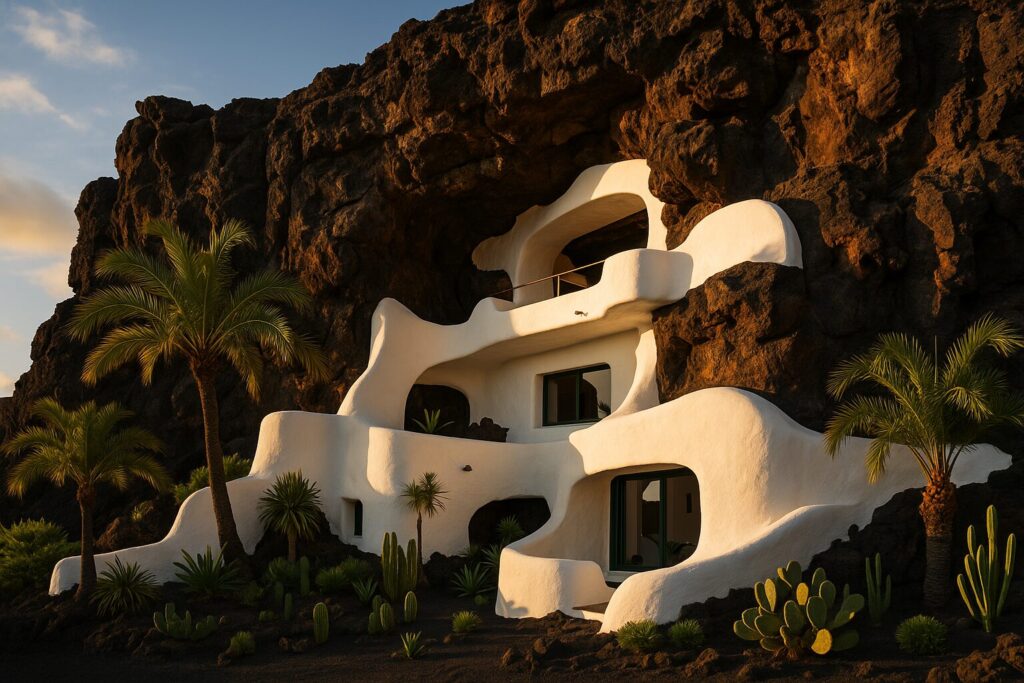
5. Fundación César Manrique (Manrique’s Home and Foundation)
Located in Tahiche, this was Manrique’s own home for two decades. It is the ultimate expression of his lifestyle and philosophy.
Why it’s essential: The main living areas are built into five natural volcanic bubbles (burbujas) connected by tunnels. Wandering through the spaces—from the white walls contrasting with the black lava floor, to the indoor plants—you gain the deepest insight into how the artist lived with nature, not against it. It is the purest architectural statement on the island.
To truly understand Lanzarote, you must walk in Manrique’s footsteps. This commitment to raw, natural beauty is the same spirit that inspires every piece of Lanzawear.