Shadow and Light: The Silent Genius of Jesús Soto and the Vision of César Manrique
Unveiling the partnership that sculpted the landscape of Lanzarote and the “Majorero” artist who designed from the shadows.
I. Introduction: The Two Architects of Paradise
When travelers visit Lanzarote, one name echoes across the volcanic landscape: César Manrique (1919–1992). He is the island’s icon, the visionary who stopped high-rise hotels and integrated art into nature. However, behind the grand philosophy of Manrique stood a quiet, technical genius without whom many of the island’s wonders would not exist: Jesús del Carmen Soto (1928–2003).
Born in Antigua, Fuerteventura (a “Majorero”), Soto was the “Maestro Artístico” (Artistic Master) of the Cabildo de Lanzarote. While Manrique provided the manifesto and the international charisma, Soto often provided the architectural solutions, the lighting mastery, and the hands-on execution. This article explores their symbiotic relationship, the masterpieces they built, and why Soto deserves to step out of the shadow.
II. The Realized Masterpieces: A Joint Legacy
The collaboration between Manrique and Soto was so tight that it is often difficult to distinguish where one’s hand ended and the other’s began. However, historical records and local knowledge highlight Soto’s specific genius in these key locations:
1. Cueva de los Verdes: Soto’s Symphony of Light
While Manrique is the face of the Centros de Arte, Culture and Tourism (CACT), Cueva de los Verdes is undeniably Jesús Soto’s masterpiece.
- The Concept: Transforming a volcanic lava tube into a walkable auditorium and tourist experience.
- Soto’s Contribution: He was commissioned in the 1960s to light the cave. He refused to use “colored lights” or concrete paths that would ruin the natural rock. Instead, he used hidden atmospheric lighting to highlight the texture of the lava.
- The Great Illusion: Soto created the cave’s most famous secret—a still body of water illuminated to look like a bottomless abyss. This optical illusion is pure Soto: playing with perception and space.
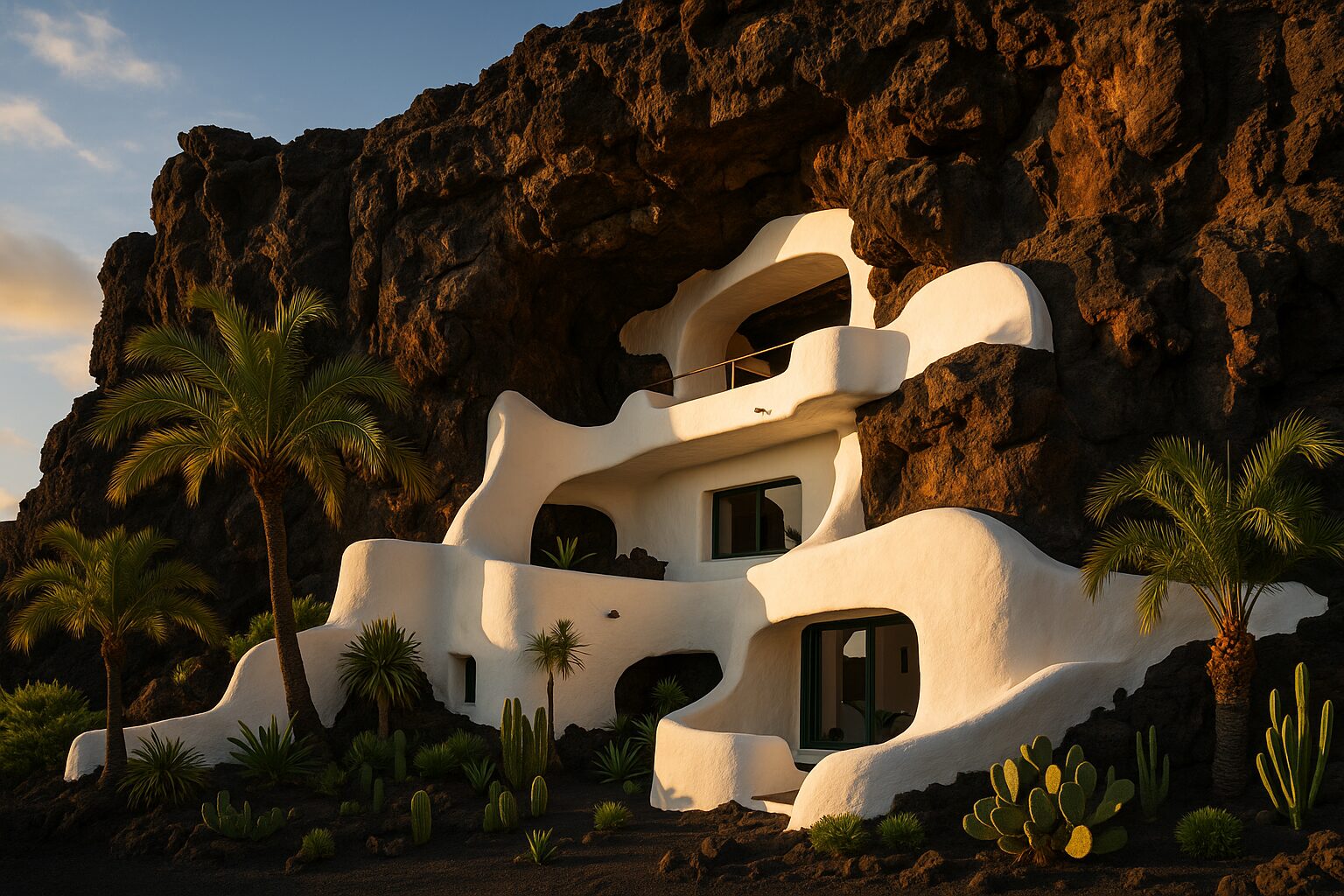
2. LagOmar (The “Omar Sharif House”): An Architectural Labyrinth
Located in the Oasis de Nazaret, this is perhaps the most iconic structure attributed to Soto’s architectural prowess.
- The Story: In the early 70s, developer Sam Benady commissioned the project. Legend says actor Omar Sharif bought it and lost it in a Bridge game days later.
- Soto’s Contribution: Jesús Soto designed the original architectural schema. He envisioned a house built inside a volcanic quarry, with white organic shapes wrapping around the red rock. It is a labyrinth of caves, tunnels, and secret gardens. While Manrique’s influence is visible in the aesthetic, the topographical integration and design execution belong to Soto.
3. Ruta de los Volcanes (Timanfaya National Park)
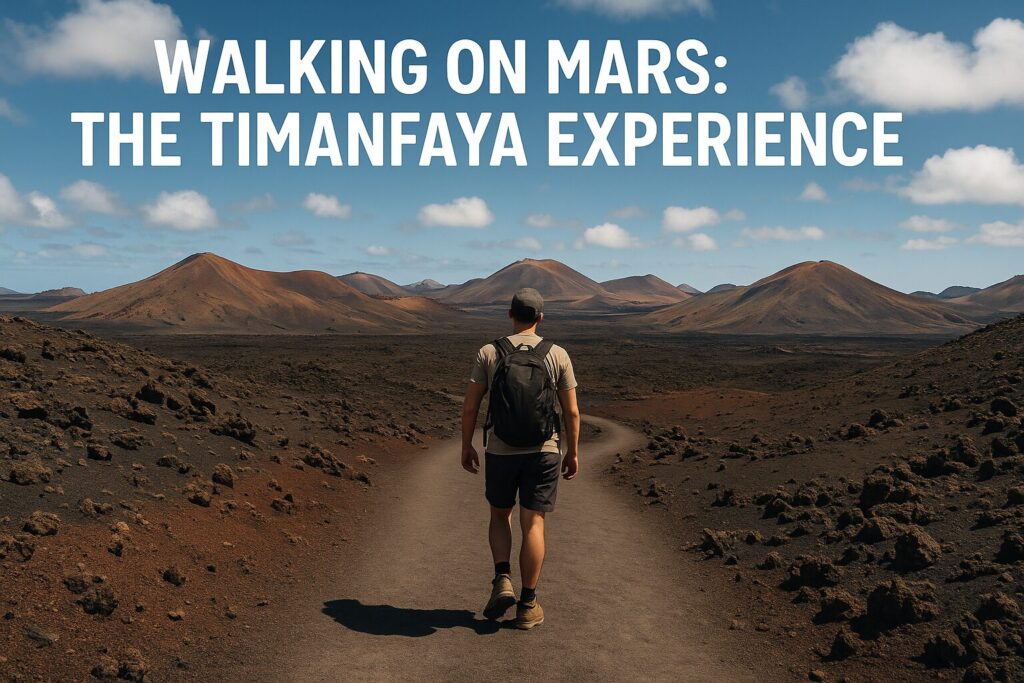
Manrique fought for the protection of Timanfaya, but Soto helped engineer how we see it.
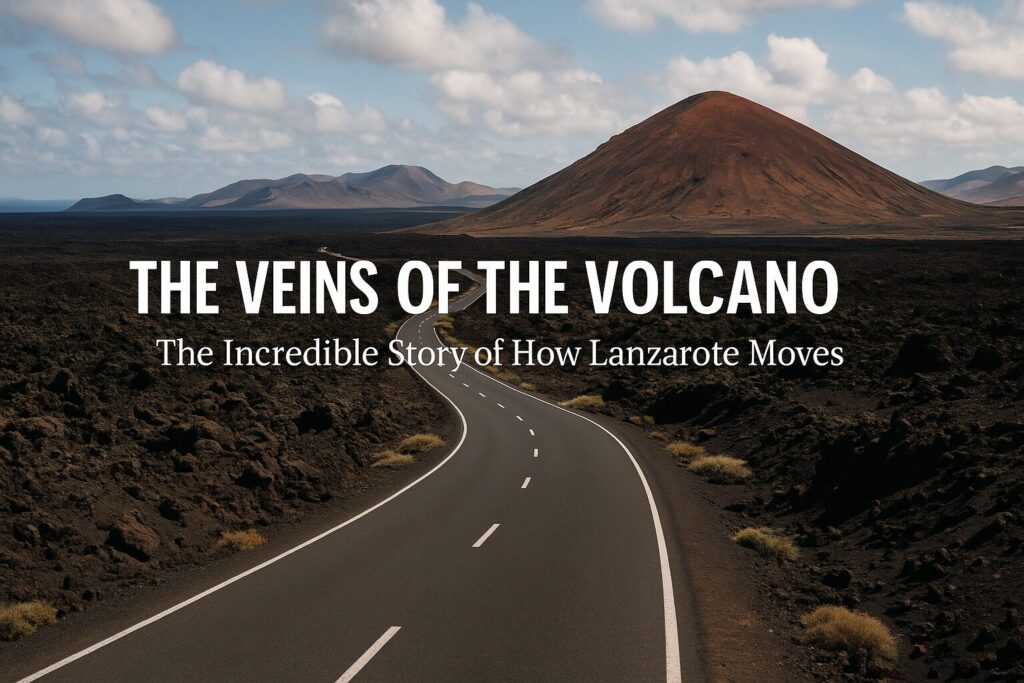
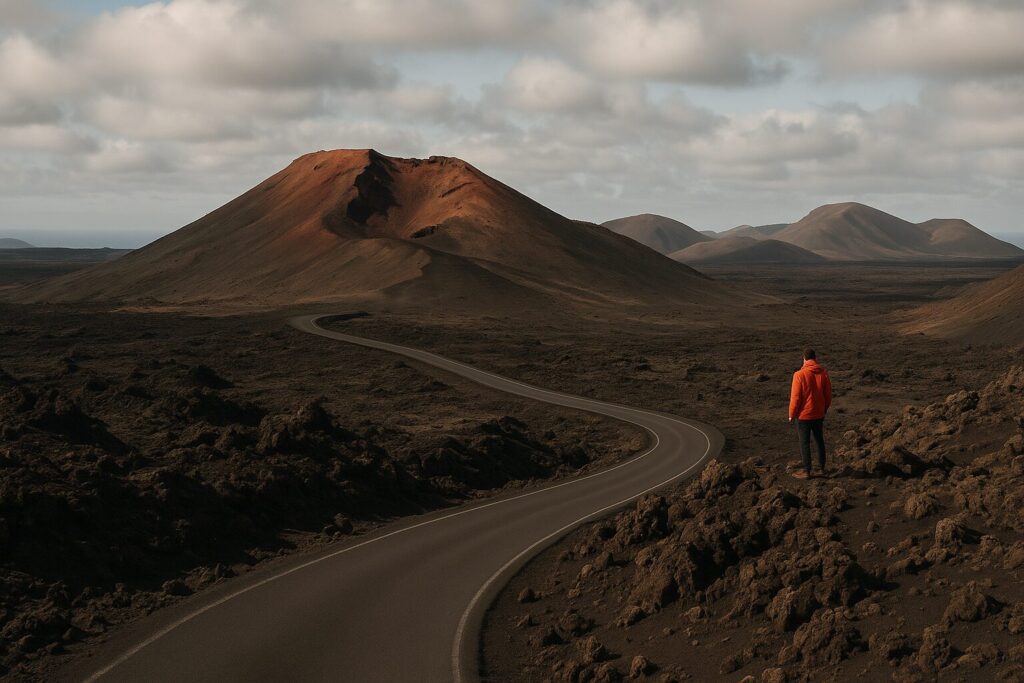
- The Contribution: Soto designed the layout of the 14-kilometer road that buses take through the park. He ensured the road was “invisible” from a distance, hiding it within the lava folds so as not to scar the landscape, allowing visitors to feel immersed in the crater without destroying it.
4. Monumento al Campesino
While the sculpture “Fecundidad” is Manrique’s, the restoration and design of the adjacent House-Museum involved Soto’s deep knowledge of traditional Canarian architecture.
III. Projects in the Shadows: What Could Have Been
The tragedy of Soto’s career is not a lack of work, but a lack of brand.
- The “Lost” Name: Many guidebooks lazily attribute LagOmar or Cueva de los Verdes solely to Manrique. Soto did not leave behind a foundation bearing his name (like the FCM) to preserve his individual legacy, meaning his specific solo projects often fade into the general “Manrique aesthetic.”
- The Kinetic Dream: Soto (not to be confused with the Venezuelan kinetic artist) had a profound understanding of light and shadow. Had he not dedicated his life to public service for the Cabildo—working on public lighting, restoration, and beautification—he might have developed a portfolio of private avant-garde architecture that would rival the most famous modernist homes in Europe.
IV. The Dynamic: Why the Shadow?
Why is Jesús Soto not as famous as Manrique?
- Personality: Manrique was a socialite, friends with Andy Warhol and the Spanish royalty. Soto was reserved, a man of the construction site rather than the cocktail party.
- Roles: Manrique was the ideologue; Soto was the implementer. History tends to remember the philosopher more than the engineer.
- Humility: By all accounts, Soto respected Manrique immensely and was content serving the island rather than seeking fame.
V. Conclusion
To say Jesús Soto lived in Manrique’s shadow is true, but it is also a testament to the brightness of the light they created together. Manrique saved the island’s soul; Soto built its body. Today, when you walk through the magical tunnels of LagOmar or gaze into the optical abyss of Cueva de los Verdes, you are not just seeing Manrique’s influence—you are walking through the mind of Jesús Soto.